Two Closings in Two Weeks: A Look at How We Buy
Category
Latest Updates
Date
September 8, 2026
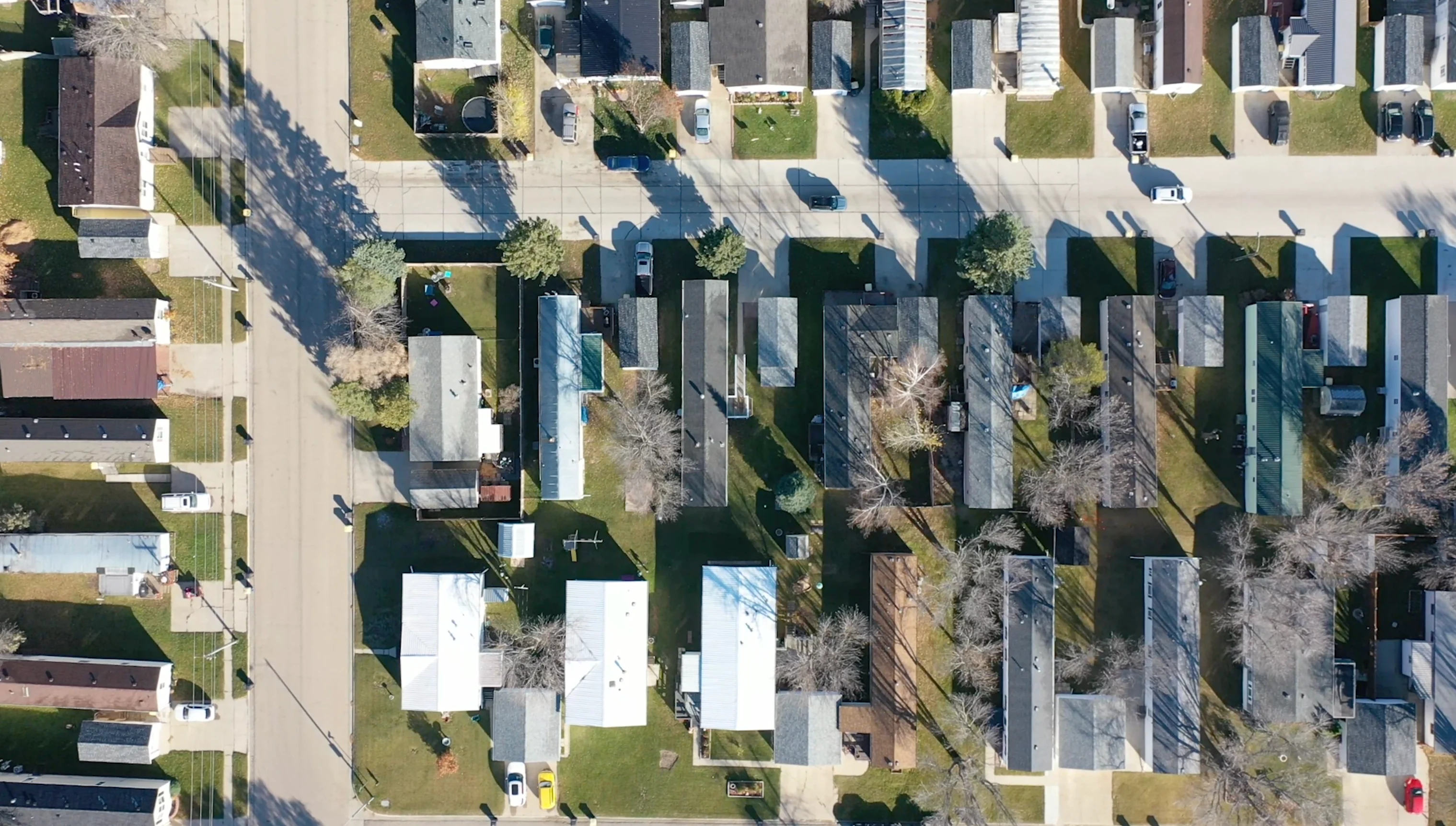
In the span of two weeks, we closed on two manufactured housing portfolios into Fund IV, adding 786 home sites across the Midwest. Announcing two acquisitions this close together is unusual, but the way we found and underwrote them is entirely typical of how we invest. Taken together, the two deals are a useful window into our model.
The first portfolio, in the Upper Midwest, is 404 home sites across two well-built communities, acquired at roughly $86,000 per pad. The second, also in the Midwest, is 382 home sites purchased at about $82,000 per pad. Both came to us already stable, at roughly 96 and 98 percent occupancy, and both were institutional quality. And in both cases, rents sat well below market, about 30 percent below on the first portfolio and 22 percent on the second, which is where the opportunity to create value lies.
What connects the two deals most, though, is how we found them. Neither was broadly marketed. Both were sourced off market, directly from the families who had owned and operated the communities for years, in one case since 1968. We did not win them with the largest check. We won them by building relationships with those owners over three to four years, long before either was ready to sell. When the time came to pass on something a family had spent decades building, they wanted to know it would be in good hands.
That is not an accident of these two deals. It is the core of how we source. The large majority of what we buy comes off market, through relationships rather than auctions, which means we are rarely competing head to head with other buyers on price. In a market where institutional capital is increasingly chasing the same stabilized, professionally run assets, proprietary sourcing is one of the most durable advantages an operator can have.
The fundamentals we look for are visible in both portfolios as well. High occupancy gives us stable cash flow from day one. Below-market rents give us room to add value responsibly over time. From here, the work in each community is the same disciplined playbook we run across our portfolio: filling vacant sites by bringing in new homes, bringing rents responsibly toward market, passing through utilities, and improving day-to-day operations. None of it is complicated. It is simply done consistently, community after community.
There is a larger reason these communities matter. Manufactured housing is the most attainable form of homeownership in the country, and demand for it only grows as traditional homes move further out of reach. Acquiring and operating these communities well is how we generate returns, and it is also how a genuinely affordable form of housing stays available and well maintained for the families who live there.
Two quality portfolios in two weeks is not luck. It is the output of a sourcing engine built over years and an operating platform designed to create value once we own an asset. That combination, finding the deal and then executing on it, is what we have built our business around, and it is what allows us to keep adding quality communities even as competition for the space grows.
001
/
Next
Explore Our Other Articles
Read expert-written articles, helpful guides, and practical resources covering the topics that matter most.