01/29/2026
How Active Asset Management Increases NOI in Manufactured Housing Communities
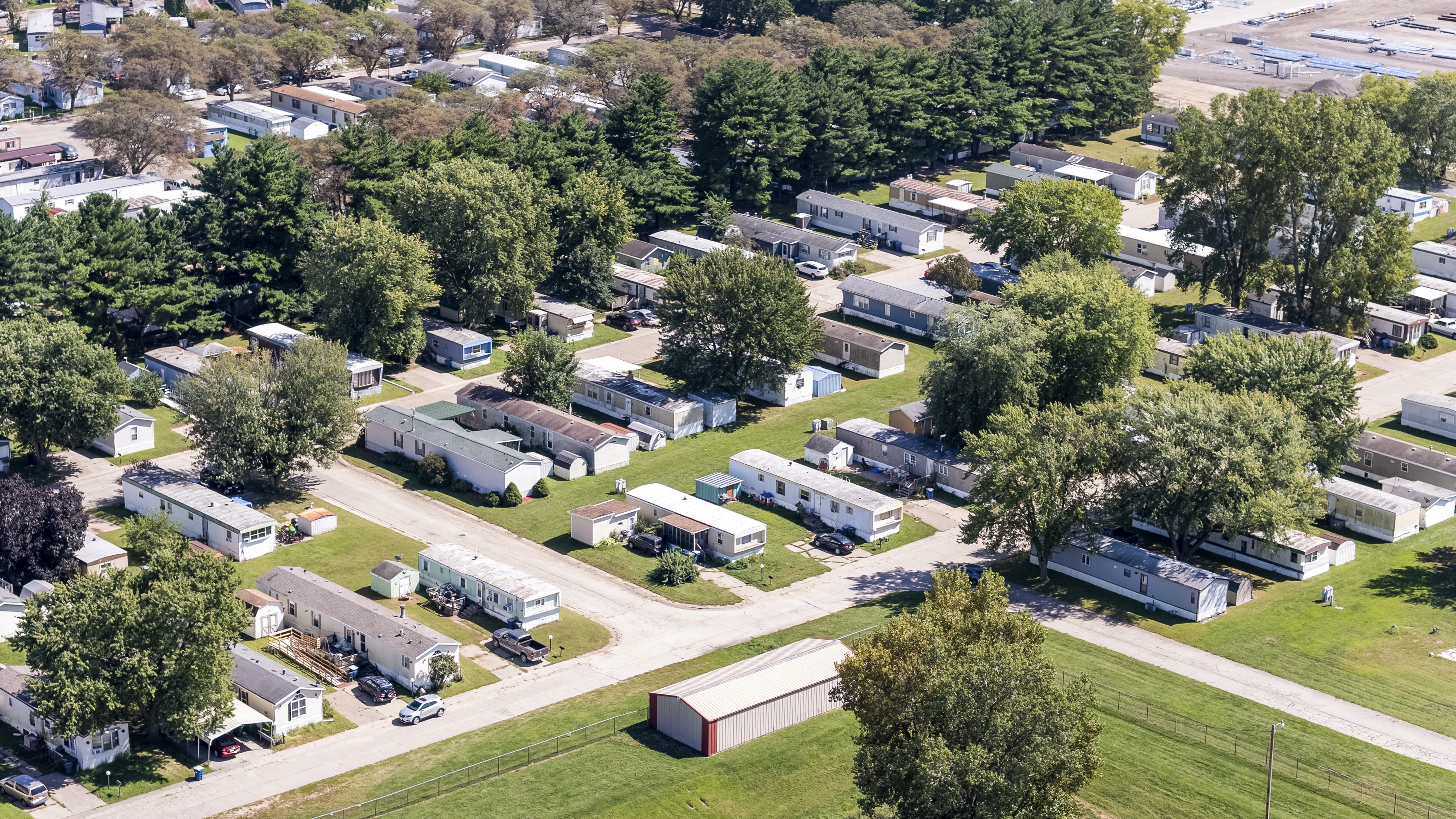
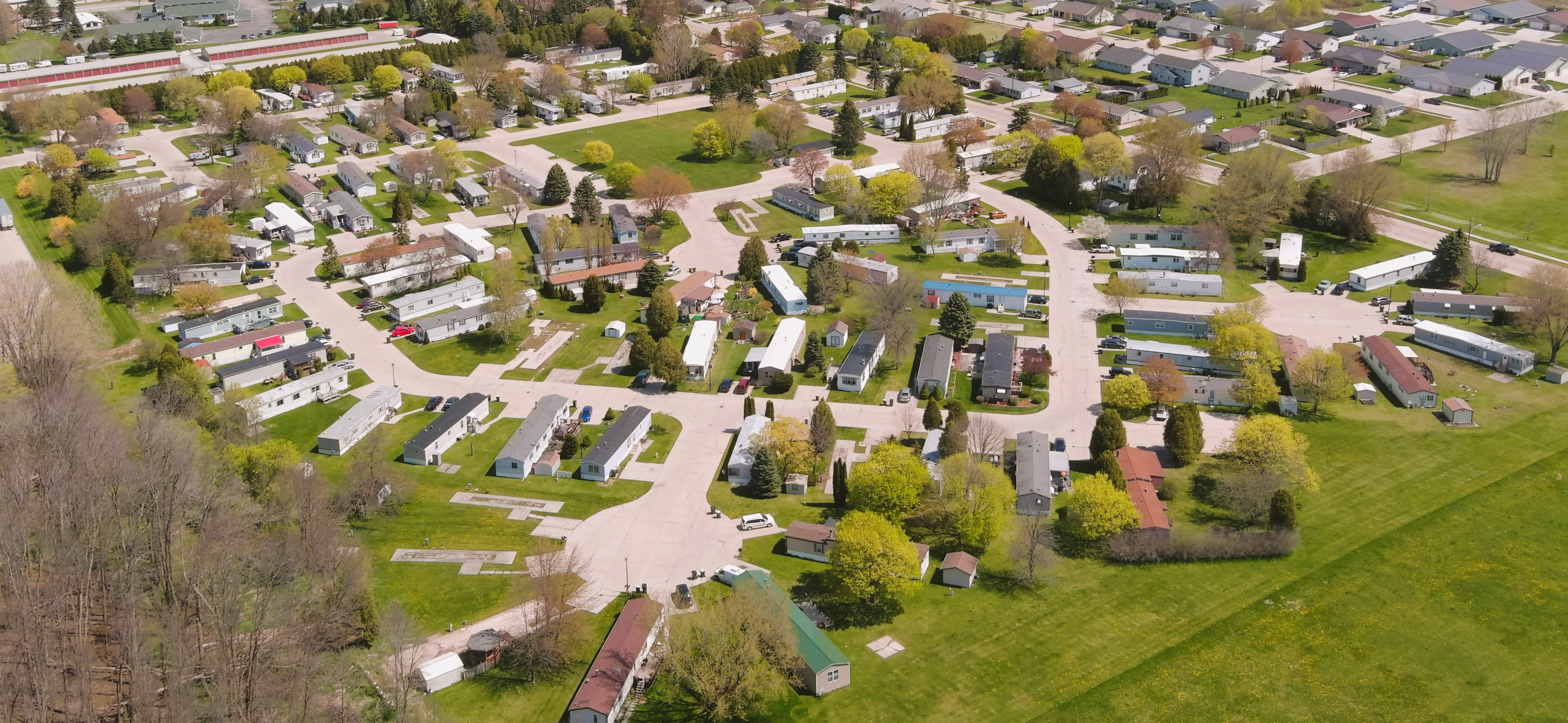
In real estate investing, value creation doesn’t stop at acquisition. Through active asset management, rent optimization, capital improvements, and data-driven pricing, operators can increase Net Operating Income (NOI) beyond conservative underwriting. This article explains how disciplined execution drives performance in manufactured housing communities.
While many real estate firms focus on the "buy," the real work begins after the keys change hands. Across our portfolio, one of our most consistent drivers of value isn’t just finding new assets; it’s the disciplined way we optimize the performance of the real estate assets we already own.
We don’t believe in "set it and forget it" pricing. Every month, our Operations and Marketing teams perform a monthly operational and pricing review of each manufactured housing community. We look at:
Market Alignment: Comparing in-place rents against current market demand and local competitors.
Capital Improvements: Factoring in the upgrades we’ve made to community facilities and infrastructure.
The Resident Experience: Monitoring retention and stability to ensure our growth is sustainable.
By using this framework, we ensure that data-driven rent optimization strategies are never arbitrary. They are intentional, data-backed, and reflective of the actual value the community provides.
When we acquire an asset, our underwriting is intentionally conservative, typically modeling modest annual growth of 3–5%.
However, by reinvesting in these communities and improving on-site management, we often find that the market supports a much higher ceiling. In many cases, our active management has allowed us to achieving rent increases exceeding 15% where market conditions support it while maintaining strong occupancy levels.
This outperformance is a direct result of:
Buying Smart: Identifying assets with rents significantly below their market potential.
Strategic Reinvestment: Improving the physical quality of the community.
Better Analytics: Using real-time data to see pricing opportunities our competitors miss.
The financial impact of this operational focus is measurable and immediate. In April alone, our manufactured housing portfolio will potentially see significant gains in Net Operating Income (NOI) across our active funds:
Fund II: $70,412
Fund III: $358,040
Fund IV: $467,687
Conservative underwriting provides our safety net, but disciplined execution provides our upside. By bridging the gap between "current state" and "market potential," we aren’t just increasing numbers; we’re building a more durable, high-performing portfolio for our investors.
Frequently Asked Questions
What is active asset management in real estate?
Active asset management involves continuously improving a property’s performance after acquisition through rent optimization, capital improvements, expense control, and operational oversight.
How do rent increases affect property value?
Higher rents increase Net Operating Income (NOI), which is a primary factor used to value income-producing real estate.
Why is manufactured housing attractive for value creation?
Many communities are owned by smaller operators with below-market rents and operational inefficiencies, creating opportunities for professional management to improve performance.
Disclaimer: Past performance is not indicative of future results. The investment returns referenced herein, including IRR and MOIC, reflect historical outcomes specific to this asset and are not a guarantee of future performance. This communication is intended for informational purposes only and should not be construed as an offer to sell or a solicitation of an offer to buy any security or investment product. Any offering is made only pursuant to formal offering documents and in accordance with applicable securities laws.